
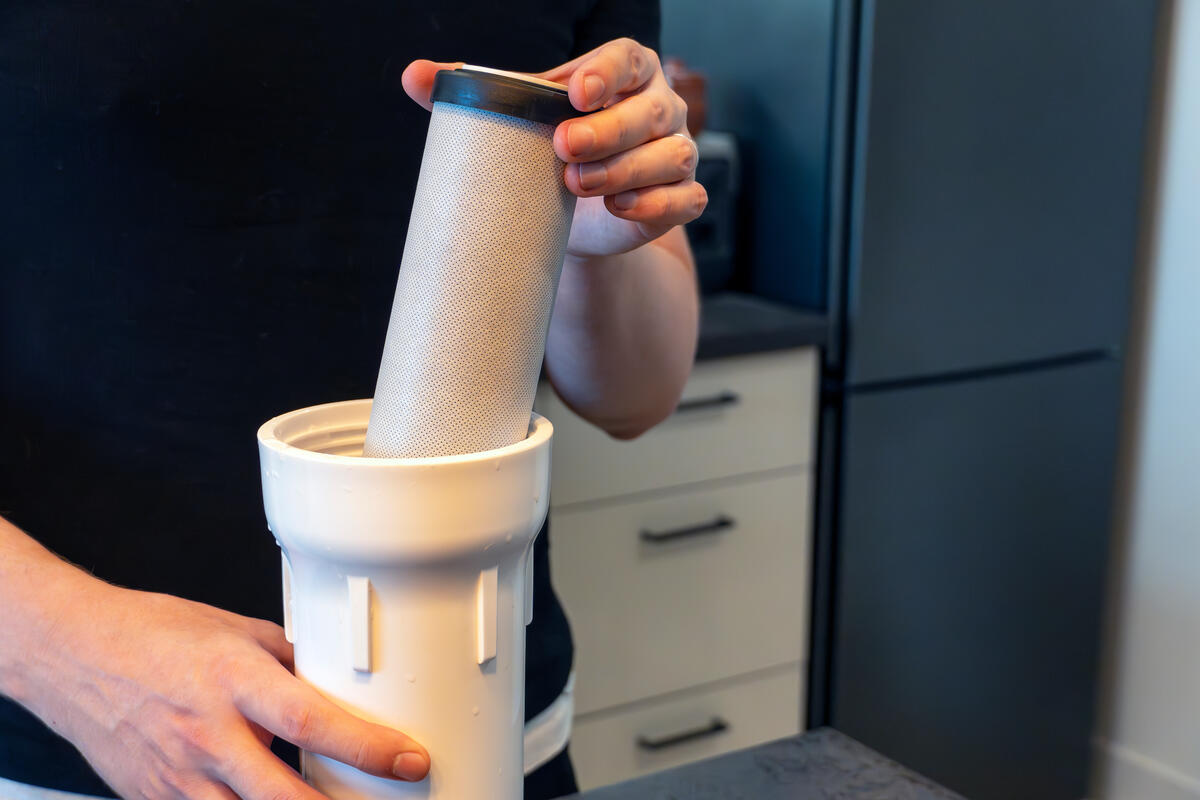
With so many water filtration options available, choosing the right one can be overwhelming. The best choice depends on what contaminants you need to remove and how you want to use the filtered water.
How Does Reverse Osmosis Work?
Reverse osmosis (RO) is the most thorough water purification method available for home use. It forces water through a semipermeable membrane with pores so tiny that only water molecules can pass through.
This process removes dissolved solids, heavy metals, bacteria, viruses, and a wide range of contaminants that other filtration methods simply can't address. Modern RO systems typically include multiple pre-filters and post-filters for comprehensive treatment.
What RO Removes?
Filter Type Comparison
Different filtration methods are designed to address different contaminants. Understanding what each type removes helps you make an informed choice.
Reverse Osmosis
Removes:
Pros:
- Most thorough purification
- Removes dissolved solids
- NSF certified
Cons:
- Produces waste water
- Slower flow rate
- Higher initial cost
Carbon Filter
Removes:
Pros:
- Fast flow
- Low cost
- Easy to install
Cons:
- Doesn't remove dissolved solids
- Doesn't remove nitrates
- Doesn't remove fluoride
Pitcher Filter
Removes:
Pros:
- Very low cost
- No installation
- Portable
Cons:
- Limited effectiveness
- Frequent filter changes
- Small capacity
When Should You Choose RO?
Reverse osmosis is the best choice when you need the purest possible drinking water, particularly if your water contains:
High TDS - If your water has high dissolved solids (over 500 ppm), RO is the only effective solution
Nitrate contamination - Common in agricultural areas, nitrates are only removed by RO or specialized ion exchange
PFAS concerns - These persistent chemicals require RO or specialized activated carbon for removal
Lead or arsenic - RO effectively removes these toxic metals that other filters may miss
What Is the Difference Between Tankless and Traditional RO?
Traditional RO systems store purified water in a pressurized tank, while tankless systems produce water on demand. Each approach has advantages:
Traditional (Tank) RO
- Immediate access to stored water
- Lower upfront cost
- Tank takes up space
- Water can taste stale
Tankless RO
- Fresh water every time
- Compact design
- Better water efficiency
- Higher flow rates
Installation and Maintenance
Most RO systems install under the kitchen sink with a dedicated faucet. Professional installation ensures proper connections and optimal performance.
Maintenance typically involves replacing pre-filters every 6-12 months and the RO membrane every 2-3 years. Modern quick-change filters make this simple enough for most homeowners.
The Bottom Line
For the purest drinking water possible, reverse osmosis is unmatched. If you're primarily concerned with chlorine taste or have relatively clean municipal water, a simpler carbon filter may suffice.
A water test reveals exactly what contaminants are present, allowing you to choose the right level of filtration for your specific water quality concerns.