When most people think about water treatment, they focus on the personal benefits: better tasting water, softer skin, protected appliances. But home water treatment also delivers significant environmental benefits that often go overlooked.
Environmental Impact Summary
Eliminating Single-Use Plastic
The average American drinks 156 bottles of water per year. That's 50 billion plastic bottles nationally, with only about 30% being recycled. The rest end up in landfills and oceans.
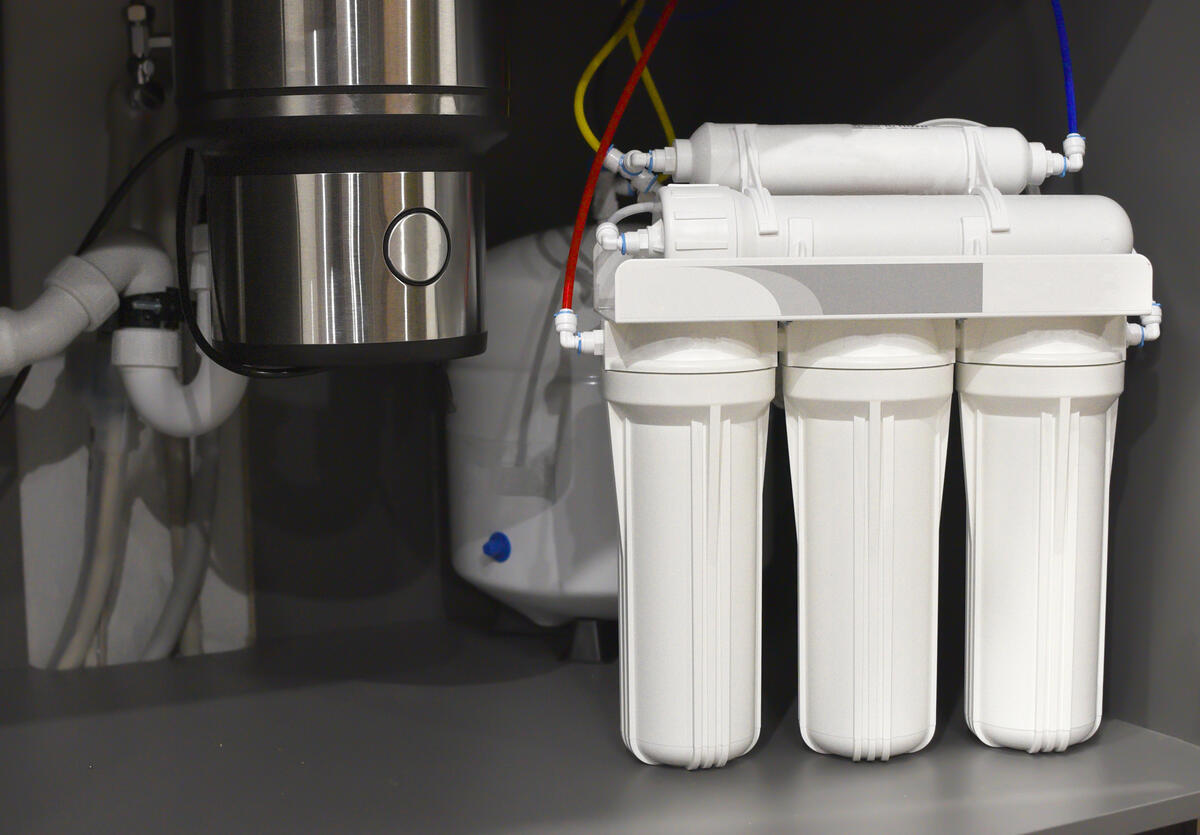
A point-of-use reverse osmosis system produces water that's purer than any bottled water, directly from your tap. A family of four switching from bottled water to RO eliminates 624 plastic bottles annually.
Beyond the Bottle
It takes 3 liters of water to produce 1 liter of bottled water, plus the energy for manufacturing, transportation, and refrigeration. Home RO uses about 2-3 liters per liter produced, with no transportation footprint.
Reducing Chemical Usage
Soft water requires 50-75% less soap and detergent to achieve the same cleaning results. This means less chemical runoff entering waterways and fewer plastic containers in landfills.
Laundry detergent - Use half as much for cleaner clothes
Dish soap - Less soap means more effective grease cutting
Bathroom cleaners - No soap scum means less need for harsh chemicals
Shampoo and body wash - Lather better, rinse cleaner
Energy Efficiency Gains
Scale buildup from hard water acts as an insulator in your water heater, forcing it to work harder. Research shows that just 1/4 inch of scale reduces water heater efficiency by 40%.
By preventing scale formation, water softeners help water heaters maintain peak efficiency throughout their lifespan. This translates to:
High-Efficiency Water Softeners
Modern high-efficiency water softeners with up-flow regeneration technology significantly reduce both salt and water usage compared to older designs:
46% less salt - Reduced mining and transportation impact
67% less water - Less wastewater during regeneration
Demand-based regeneration - Only regenerates when needed
Over the 15-20 year lifespan of a high-efficiency softener, this adds up to 7,500 pounds less salt used and thousands of gallons of water saved compared to conventional systems.
Extending Product and Appliance Life
Every appliance that lasts longer is one that doesn't need to be manufactured, shipped, and eventually disposed of. Water treatment extends the life of:
Water Heaters
15+ years with soft water vs. 8-12 with hard water
Dishwashers
No scale in spray arms or heating elements
Washing Machines
Protected seals and valves
Plumbing Fixtures
No scale buildup in pipes and faucets
The Bigger Picture
Individual actions matter. When you install a water treatment system, you're not just improving your own water quality—you're reducing demand for bottled water, cutting chemical and energy consumption, and keeping appliances out of landfills.
The environmental benefits compound over time, and when multiplied across millions of households, they represent a meaningful contribution to sustainability.