Reverse Osmosis Drinking Water Pillar
Reverse Osmosis Drinking Water for the South Carolina Coast: A 2026 Pillar Guide
Reverse osmosis is the most thoroughly studied residential treatment for PFAS, lead, disinfection byproducts, and dissolved minerals. On Lowcountry and Grand Strand water, an under-sink RO system pulls out the contaminants a softener and a whole-house carbon system are not built to remove. This guide covers what RO actually does, NSF certifications worth verifying, and how to size and install one in a coastal SC home.
By Robert Solomon, Owner · Last updated
How reverse osmosis works in plain language
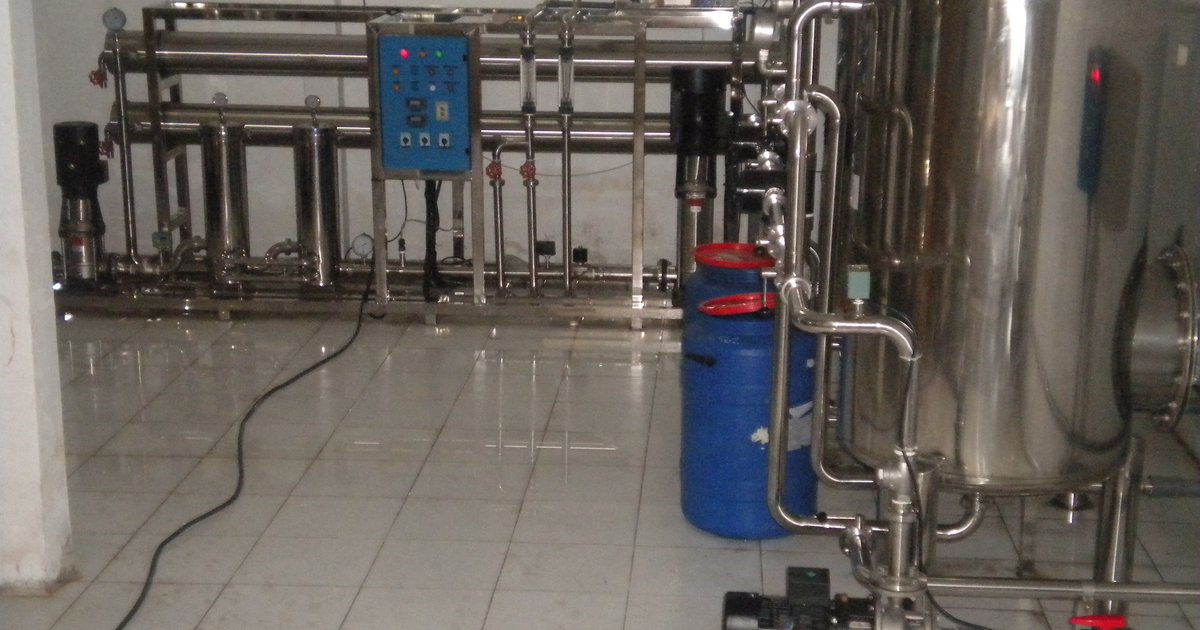
Reverse osmosis pushes feed water across a semi-permeable membrane at pressure. Water molecules pass; most dissolved minerals, organics, and contaminants don't. The result is treated water with 90 to 99 percent of total dissolved solids removed. A residential RO system has four stages: sediment prefilter, carbon prefilter (sometimes two), the RO membrane itself, and a polishing carbon post-filter. Treated water is stored in a small pressurized tank under the sink and dispensed through a dedicated faucet.
What RO removes on coastal SC water
On Charleston Water System, BJWSA, Mount Pleasant Waterworks, and GSWSA feed water, point-of-use RO is the most reliable method for reducing:
- PFAS (PFOA, PFOS, PFNA, PFHxS, GenX, and PFBS) below 2024 EPA MCLs of 4 to 10 parts per trillion
- Lead from older interior plumbing
- Disinfection byproducts (TTHMs, HAA5) that peak in warm-weather months
- Nitrates from agricultural areas of the Coastal Plain
- Sodium from coastal-intrusion-affected wells
- Total dissolved solids, which is the simplest taste improvement metric
What RO doesn't do well, by design: it does not disinfect (a UV system or chlorination upstream does that), and it doesn't address whole-house issues like hardness scale on a shower head or chlorine smell in a bath. For those, see our Lowcountry water quality pillar.
NSF certifications worth verifying
The single most actionable filter for separating a credible RO system from a marketing claim is the NSF certification list. The relevant standards:
- NSF/ANSI 58: the umbrella standard for residential reverse osmosis. Covers structural integrity, total dissolved solids reduction, and a series of contaminant-specific claims.
- NSF/ANSI 58 with P473 claim: PFOA and PFOS reduction. This is the right one to ask about if PFAS is your driver.
- NSF/ANSI 53: health-effects claims on the prefilters: lead, cysts, VOCs.
- NSF/ANSI 42: aesthetic claims on the prefilters: chlorine, chloramine, taste, and odor.
- NSF/ANSI 401: emerging contaminants reduction (pharmaceuticals, some pesticides).
When a manufacturer claims a reduction percentage, the question to ask is which standard and which test protocol that percentage was measured under.
Sizing: how many gallons per day do you actually need?
Most under-sink RO systems advertise capacity in gallons per day at standardized test conditions (typically 60 psi feed pressure and 77 degrees Fahrenheit feed-water temperature). A 75 gpd system at standard test conditions usually produces 35 to 50 gallons per day in real Lowcountry homes because feed pressure is lower and winter water temperatures cut membrane productivity. For a household of four, a 50 to 100 gpd system is usually the right size.
Chloramine compatibility: the prefilter detail that matters
Charleston Water System, Mount Pleasant Waterworks, BJWSA, and GSWSA all use chloramine for residual disinfection. Chloramine is harder on RO membranes than free chlorine, and a standard granular activated carbon prefilter does not fully neutralize it within the contact time. The fix is a catalytic carbon prefilter or a longer carbon contact stage. Skipping this step shortens membrane life by years. We always confirm a customer's utility chemistry before specifying the prefilter.
Reject water and efficiency
Older RO systems used a 4:1 reject ratio. Modern systems are 2:1 or 1:1 with a permeate pump. The additional water use from a properly tuned RO system is minimal. We size with efficiency in mind because the reject water also runs through your septic if applicable, and oversized RO units stress septic recovery.
RO and well water: a different question entirely
Whole-house RO is overkill for most city-water homes, but it is sometimes the right answer for coastal wells with high chloride from saltwater intrusion. The system is bigger, the reject volume is larger, and the prefiltration in front of the membrane has to handle iron and sulfide first. See our coastal well pillar for the well side of the decision.
Maintenance: what it actually takes
A well-maintained residential RO system needs sediment and carbon prefilter changes every 6 to 12 months, a post-filter every 12 months, and a membrane replacement every 3 to 5 years. Feed water with high sediment or high chloramine shortens those intervals. A pressure check at each visit catches storage-tank bladder failures before they cause production drops.
One detail worth tracking: the storage-tank bladder loses pressure slowly over years. When tank pressure drops below about 7 psi (with the tank empty), dispensing slows and the system can short-cycle. A bicycle pump and a tire gauge handle the recharge, but most people miss it because the symptom (slow dispense from the dedicated faucet) looks identical to a clogged carbon post-filter or a tired membrane. We check tank pressure on every visit because it is the cheapest fix on the maintenance list and the hardest to diagnose remotely.
Coastal SC variables that move the needle
A few situational factors make a real difference for RO sizing and prefilter selection on the South Carolina coast. Warm-season disinfection-byproduct readings on Charleston Water System and BJWSA push catalytic carbon prefilter sizing up, especially for households that drink and cook with a lot of tap water. Coastal humidity hits storage-tank shutoff valves harder than inland installs because trapped condensation can corrode the brass fittings if the tank sits in an unsealed cabinet. And households with a tankless water heater downstream of any softener-plus-RO combination need a softener bypass installed for the RO feed line, because softened water hits the RO membrane with sodium chloride that the membrane will partially pass. We catch all three on the install survey, not after the fact.
One more variable: short-term rental properties (Folly Beach, Pawleys Island, Surfside Beach especially) cycle hard during peak season and sit idle in the off-season. Long idle periods let biofilm establish in the storage tank. The fix is a quarterly sanitization protocol that takes about an hour and uses unscented household bleach diluted to the spec NSF/ANSI 58 calls out. We hand-write the protocol on the system housing for rental owners and managers.
Condition-to-action: when RO is the right tool
| Concern | Is RO the right tool? |
|---|---|
| PFAS reduction at the kitchen tap | Yes, with NSF/ANSI 58 P473 claim |
| Lead from old plumbing | Yes, with NSF/ANSI 53 prefilter claim |
| Chloramine taste at every tap | No, use whole-house catalytic carbon |
| Scale on showerheads | No, use a softener |
| Coliform bacteria positive | No, use UV disinfection + shock chlorination |
| Salty taste in well water (chloride > 250 mg/L) | Yes (whole-house RO consideration) |
| Total dissolved solids above 500 mg/L | Yes, for taste and appliance protection |
Call a professional if…
- You're targeting PFAS reduction. Generic RO units without an NSF P473 claim do not have the test data to verify the reduction.
- You're on chloraminated water (most of coastal SC). The prefilter chemistry has to match.
- You want RO water at the refrigerator. The line tap and pressure check are easy to do wrong.
- You're on a well with iron or sulfide. RO membrane will foul fast if those are not removed upstream.
- You have a septic system. Reject-water tuning matters.
Related reading
RO vs. other drinking water filters, PFAS forever chemicals, PFAS in SC 2026 update, chlorine and chloramine basics, UV disinfection, Charleston drinking water, Bluffton drinking water, Hilton Head drinking water, Myrtle Beach drinking water, Daniel Island drinking water, Pawleys Island drinking water, about Robert Solomon, and schedule a free water test.
Frequently Asked Questions
Does reverse osmosis remove PFAS from Charleston or Bluffton tap water?
Yes. Reverse osmosis paired with activated carbon prefiltration is one of the most thoroughly studied PFAS reduction methods for residential use. Look specifically for an RO system certified under NSF/ANSI 58 with a P473 or PFOA/PFOS reduction claim.
Will a reverse osmosis system handle Charleston's chloramine?
Yes, if the prefilter is rated for chloramine. Standard granular activated carbon prefilters target free chlorine; chloramine requires catalytic carbon or a longer carbon contact time.
How much water does a reverse osmosis system waste?
Modern residential RO systems produce one gallon of treated water for every 1 to 3 gallons of feed water. High-recovery RO with a permeate pump pushes that down to about 1:1.
Does RO remove healthy minerals from drinking water?
RO does reduce calcium, magnesium, and other minerals. For most people, mineral intake comes from food. A remineralization post-filter is available if mineral content for taste is important.
Where is the best place to install an RO system on the SC coast?
Under the kitchen sink with the storage tank in the same cabinet, plus a dedicated faucet, is the standard install. A second line to the refrigerator ice maker is a common upgrade.
Sources
- NSF/ANSI Standard 58, Reverse Osmosis Drinking Water Treatment Systems.
- EPA, Final PFAS National Primary Drinking Water Regulation (2024).
- Charleston Water System, BJWSA, GSWSA, and Mount Pleasant Waterworks public CCRs.
- NSF/ANSI 53, Drinking Water Treatment Units: Health Effects.